Summary
Staying connected in Japan is easy as it is one of the best-connected countries in the world for travellers, but arriving without a data plan is a mistake you will feel immediately – sort it before you board.
Key Takeaways
- Public WiFi in Japan is patchy and unreliable where you need it most – on rural trains, backstreet temples, and hiking trails – so do not treat it as a primary connection.
- An eSIM is the simplest option for most people: purchase and activate it at home before you leave, and you are connected the moment you land.
- Pocket WiFi still earns its place for families and groups sharing a connection, but remember it needs charging, carrying, and returning – plan accordingly.
- Japanese eSIM plans are almost exclusively data-only, so calls and texts will run through apps like WhatsApp or LINE; if you need a local number, look at Mobal.
- Set up a digital Suica card in your phone wallet and download LINE before you depart – both make daily life in Japan considerably smoother from day one.
- Tell your bank about your travel dates before you fly, download offline maps, and configure any VPN you might need at home – Japan rewards preparation.
Want more free content like this?
- Summary
- Key Takeaways
- Staying connected in Japan – things have changed dramatically
- Why you cannot rely on public WiFi alone
- eSIM: the easiest option for most people
- Pocket WiFi: still the right answer for some
- Smartcards and apps you should know about
- One more thing: your home accounts on the road
- A few things worth knowing about Japanese networks
- Getting it right before you leave
- Leave A Comment / Ask A Question
- About the Author
- RESOURCES
Staying connected in Japan – things have changed dramatically
Here’s something Japan does not get enough credit for: it is one of the best-connected countries in the world for visitors, once you understand the options. But that last part is crucial.
If you arrive without a plan, you can find yourself in a frustrating situation – standing outside a konbini at midnight trying to navigate Google Maps on roaming data that is costing you a small fortune, or worse, completely offline in a rural area with no English-language signage and a train that leaves in six minutes.
I have been travelling to Japan since 2000, and connectivity has changed dramatically in that time. In the early days, you were largely on your own unless you had a local contact who could loan you a phone.
Now the options are genuinely excellent – but there are still things worth knowing before you book your first eSIM or pick up a Pocket WiFi at the airport. This guide will walk you through what actually works today, what to watch out for, and a few things that are easy to miss even if you have been to Japan before.
Why you cannot rely on public WiFi alone
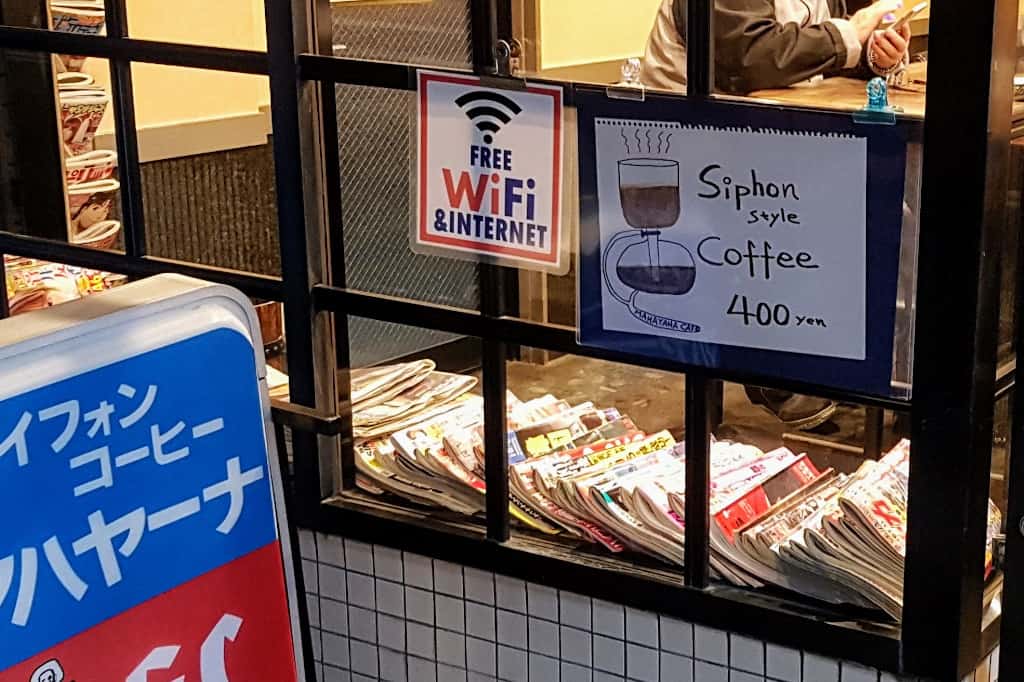
Japan has public WiFi in many places – train stations, convenience stores, some cafes and tourist areas. But if you are planning to rely on it as your primary source of connectivity, I would politely suggest reconsidering.
Coverage is patchy, speeds vary wildly, and in the places you most want to use your phone – on a quiet rural train, walking between temples in Kyoto’s backstreets, navigating a hiking trail in the Japan Alps – there is usually nothing. If you want to know more about the limitations (and risks) of using free public WiFi in Japan read this post.
The good news is that getting your own data connection for the duration of your trip is easier and cheaper than it has ever been. You have three main options: an eSIM, a physical SIM card, or a Pocket WiFi device. Each has its merits depending on your situation.
eSIM: the easiest option for most people
If your phone supports eSIM, which most smartphones manufactured in the last three or four years do, this is probably your best starting point.
You purchase a plan online before you leave home, scan a QR code to activate it, and you are connected the moment you land. No queuing at airport counters, no waiting for a physical card to arrive in the post, no device to remember to charge and carry.
The plans available for Japan are genuinely competitive. You can get 10GB for a two-week trip for somewhere in the region of £15 to £25 depending on provider, which compares very favourably to what your home carrier will charge for international roaming. Three UK, for instance, charges around £84 for a 14-day Japan roaming pass.
An eSIM from a Japanese provider at a fraction of that cost is not a difficult decision.
One thing worth knowing: Japan’s eSIM providers mainly offer data-only plans, which means you will be making calls and sending texts over WiFi-based apps like LINE or WhatsApp rather than through the cellular phone network.
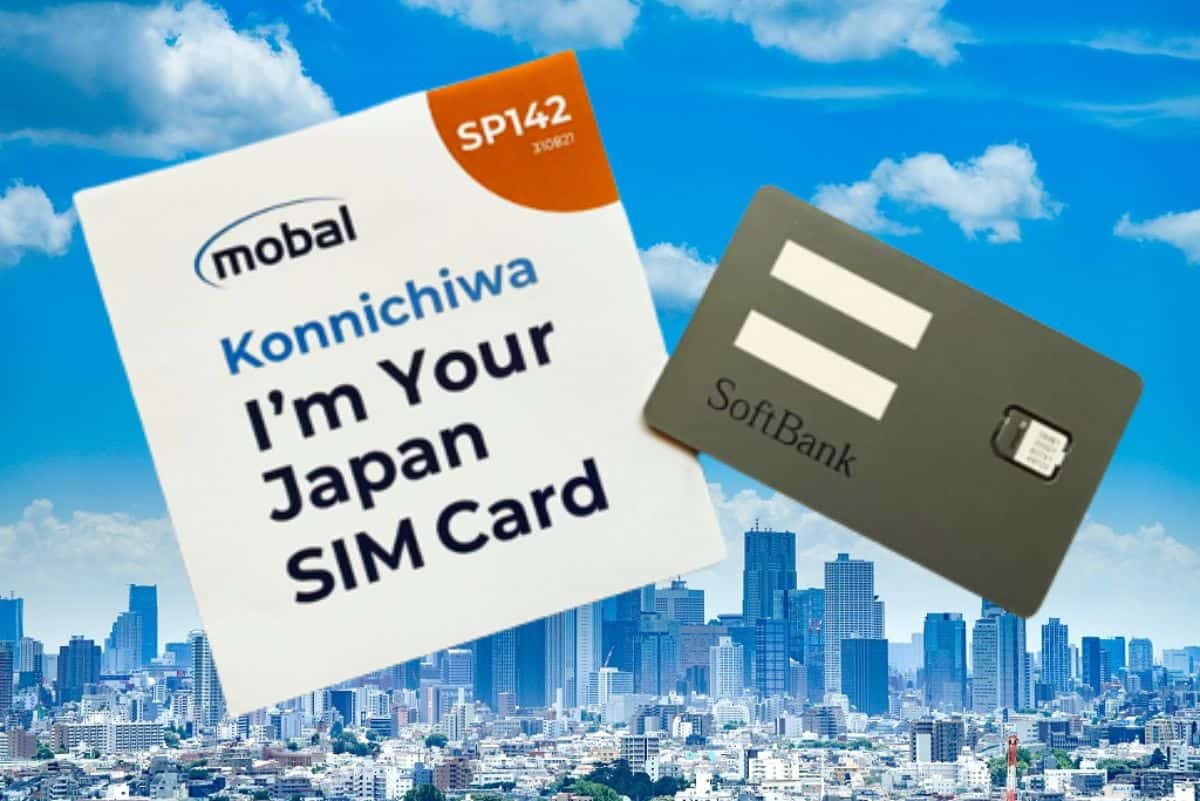
That is fine for most people, but if you need a local phone number for any reason, look into that before you commit to a plan. Mobal has some very affordable plans that include calls+data.
Pocket WiFi: still the right answer for some
Before eSIMs became widespread, the Pocket WiFi was the go-to solution for travellers in Japan, and it is still genuinely worth considering in certain situations.
The key advantage is that one device can connect multiple people and multiple devices simultaneously, which makes it ideal for families or groups travelling together. Instead of everyone buying their own eSIM, you rent a single Pocket WiFi, share the hotspot, and split the cost.
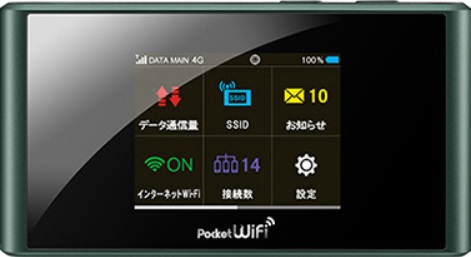
The downsides are practical: it is a separate device that needs to be charged, carried, and returned at the end of your trip. If you forget to leave extra time to drop it off at the airport before your flight home, you will be making a stressful sprint to the returns counter.
Pre-booking online is strongly recommended, both for price reasons and because airport counter stock can be limited. You can arrange collection at the airport or have the device shipped to your accommodation in Japan if you are arriving late at night or on a tight connection.
Battery life varies by model, but most Pocket WiFi devices will last through a full day of moderate use. If you are an intense data user or spending a lot of time in areas with weaker signal, it can drain faster. If so, carrying a portable power bank alongside is a good idea.
Smartcards and apps you should know about
Connectivity in Japan is not just about having data. The digital solutions for travellers have expanded significantly, and getting set up before you arrive makes the actual experience considerably smoother.
Smart IC cards like Suica or Pasmo have been digital for a while now, and you can add them to your iPhone or Android wallet before departure if your device supports it.
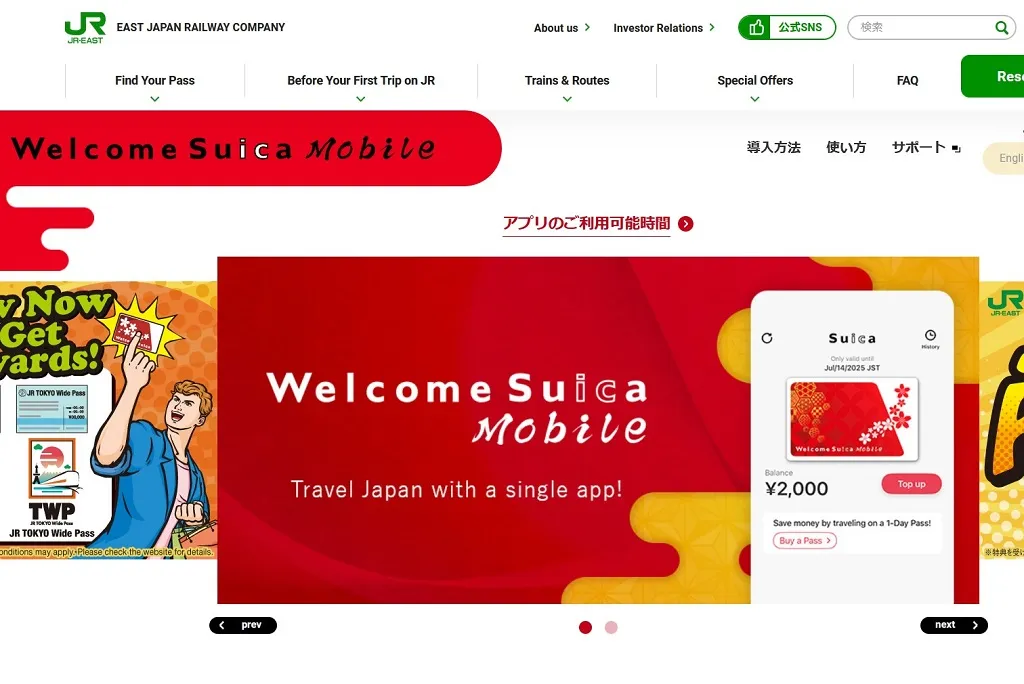
Being able to tap through station gates and pay at convenience stores without fumbling for cash or cards is one of those small things that makes Japan feel effortlessly easy to navigate. If you have not set this up before, do it – it genuinely makes a difference on busy platform mornings.
LINE, Japan’s dominant messaging app, is worth downloading and setting up before you go. (My wife and I have been using for decades and so have most of our friends in Japan.)
You will find it useful for communicating with ryokan owners, tour operators, and local contacts and businesses. Many smaller guesthouses and restaurants in rural areas prefer LINE to email for inquiries. Having it installed and running before you arrive removes one more thing to sort out on arrival day.
One more thing: your home accounts on the road
Something that catches people off guard, especially on longer trips, is that some of the digital services you use at home behave differently when accessed from Japan.
Your banking app may flag a Japanese login attempt as suspicious and lock your account. Streaming services may show you a different library than you are used to. Some work services use location-based access restrictions.
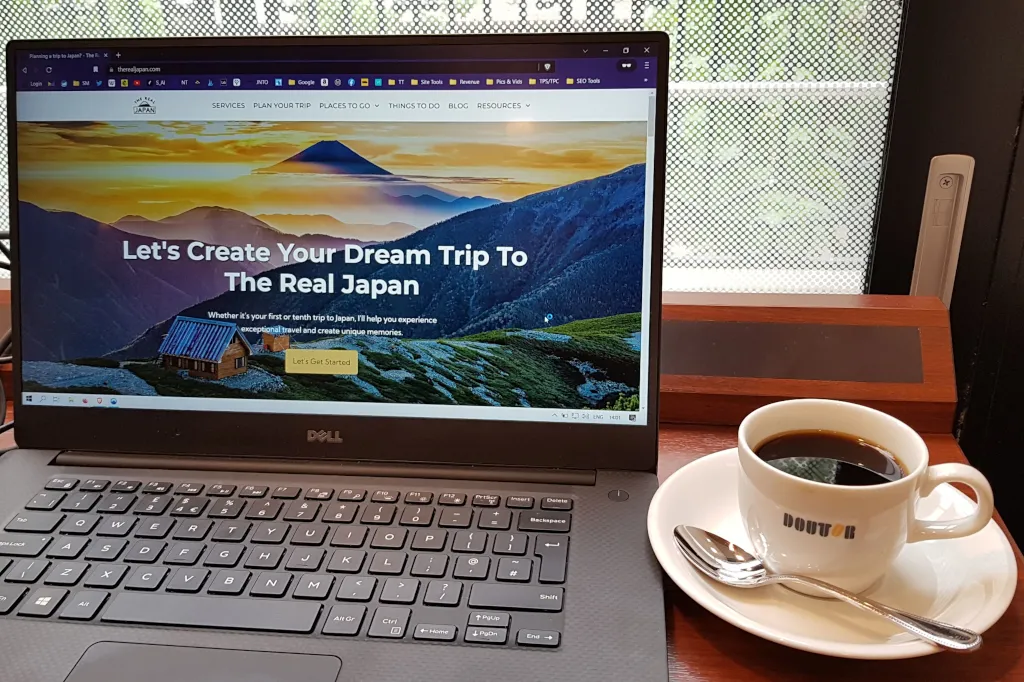
For most of these, the practical fix is straightforward: call your bank before you leave and let them know your travel dates, and download any content you want to watch offline before you get on the plane.
For the work access issues or if you want to keep your connection more private when using shared networks in guesthouses or hotel lobbies, a VPN lets you route your connection through a server in your home country.
It is something worth having set up before you leave rather than trying to download and configure it in Japan, where some free VPN apps can be slow to access depending on your provider.
A few things worth knowing about Japanese networks
Japan’s mobile network coverage is excellent in cities and most tourist regions. In rural areas, particularly in the mountains and on some of the smaller islands, coverage can be thinner.
If you are planning a trip off the beaten track – to the Yaeyama Islands, the Oki Islands, or hiking in the Northern Alps – it is worth checking your provider’s coverage map for those specific areas before you commit. The services I recommend below will work just fine.

5G is available in major urban centres but the network is still expanding and can be inconsistent even in Tokyo. For most practical travel purposes, a 4G LTE connection is more than adequate – pages load quickly, maps work perfectly, and you can video call home without problems.
Do not pay extra specifically for 5G coverage unless you have a specific reason to need it.
One thing that surprises many travellers: Japan has a law restricting the use of phone communications in specific public spaces, and mobile phone use is actively discouraged on trains. You will see signs asking people not to make calls in carriages, and you should follow them. I have a guide about the top etiquette tips for Japan to be aware of before you go.
Data use on your phone is fine, calls are not – another reason why a data-only eSIM is a perfectly natural fit for the way most travellers actually use their phones in Japan anyway.
Getting it right before you leave
The single most useful thing you can do for your connectivity in Japan is sort it out before you get on the plane. Purchase and activate your eSIM at home, where you have a stable WiFi connection and time to troubleshoot if anything goes wrong.
If you are renting a Pocket WiFi, pre-book it and confirm the pickup arrangement. Download offline maps of the regions you are visiting using Google Maps or Maps.me. And add your Suica card to your phone wallet (or go old school like me and get a physical card).

Arriving in Japan well-prepared on the connectivity front means you can walk out of the arrivals hall and straight into the experience of being there, rather than spending the first hour of your trip standing at an airport counter working out what plan you should have bought.
For those of you who feel you would still like some help getting started on arrival there is this Meet & Greet service my wife and I have used and that I recommend to my clients.
Japan rewards preparation and it rewards slowness.
Get the practical things sorted efficiently so you can give your full attention to the parts that matter: the food, the temples, the backstreets, the moments of quiet beauty that this extraordinary country seems to produce at every turn.
About the Author

A writer and publisher from England, Rob has been exploring Japan’s islands since 2000. He specialises in travelling off the beaten track, whether on remote atolls or in the hidden streets of major cities. He’s the founder of the multi-award-winning TheRealJapan.com.
Recommended For You

RESOURCES
My Recommended Connectivity Services for Japan
Recommended Japan Travel Resources
Further Related Guides
Best SIM Card Japan – Complete 2026 Buyers Guide
Is it Safe To Use Free WiFi in Japan? 5 Risks and How to Avoid Them
Mobal eSIMs Better Than Airalo and Ubigi?
Mobal SIM Card Review: The Best Unlimted SIM in Japan?
Ninja Pocket WiFi: 7 Key Reasons To Rent and Where to Buy
Japan VPN Buyer’s Guide (2026): Comparing the Top 3 Services Before You Buy
More Planning Resources
My Japan Travel Store
Feel free to share this guide if you found it helpful: