Summary
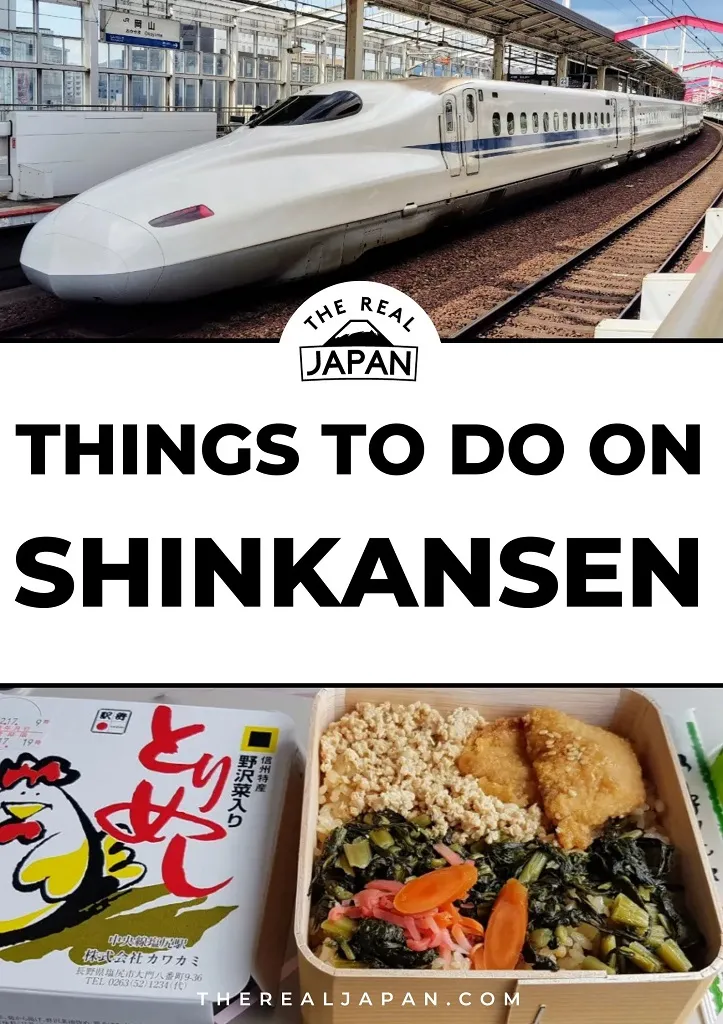
Things to do on the Shinkansen: bullet trains are one of the smoothest, fastest and most enjoyable ways to see Japan, but on a longer ride there’s often a bit of downtime (it’s all those tunnels!), so here are seven ways I like to fill it.
Key Takeaways
- Download everything before you board. E-books, games, films and series all work best offline, as signal can be patchy, particularly in tunnels.
- Pack a few small comforts. A portable charger, noise-cancelling headphones, a travel pillow and an eye mask make a long ride far more relaxing.
- Use the journey to journal. Even a few lines about the food you’ve eaten, the people you’ve met and the places you want to visit next will be a treasured record of your trip.
- Let the soundtrack match the scenery. A good playlist, some Japanese music or a podcast turns the view from the window into something special.
- Eat an ekiben. Regional boxed meals are a big part of travelling in Japan, and you can pick one up at dedicated shops or supermarkets in larger stations. Buy before you board.
- Nap if you need to, but don’t miss Mount Fuji. Sleeping is a perfectly good use of the journey, but grab a right-hand side seat heading from Tokyo towards Kyoto or Osaka and look up now and then for your best chance of a view.
Want more free content like this?
What I actually do on a long ride
I’ll admit it: I’ve ridden the Shinkansen more times than I can count, and I still get a little buzz when the train glides out of the station without a hint of a wobble.
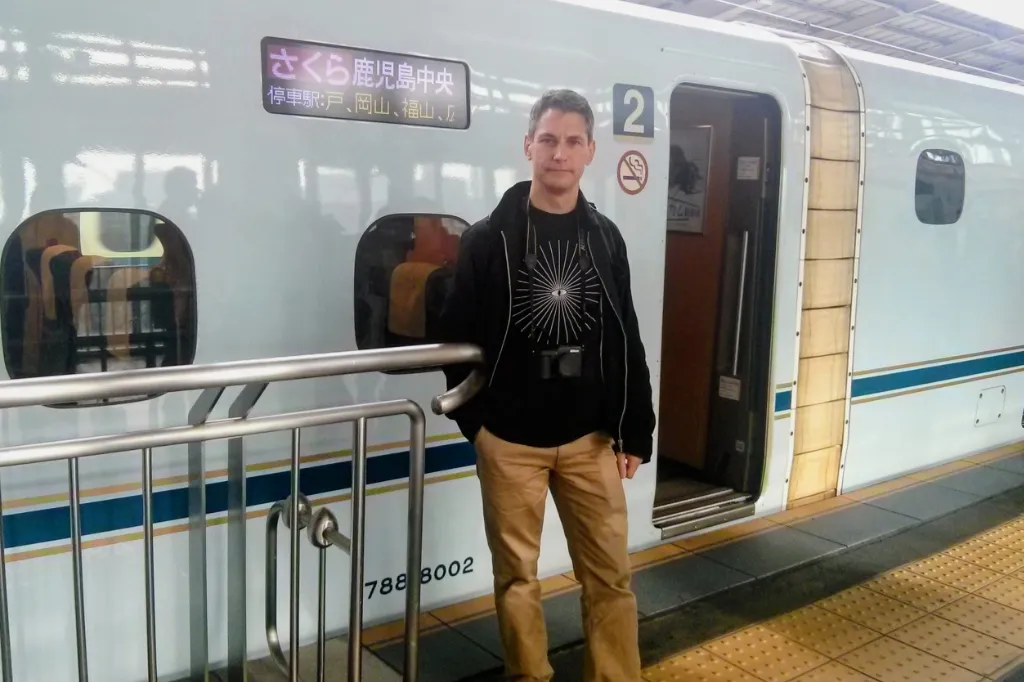
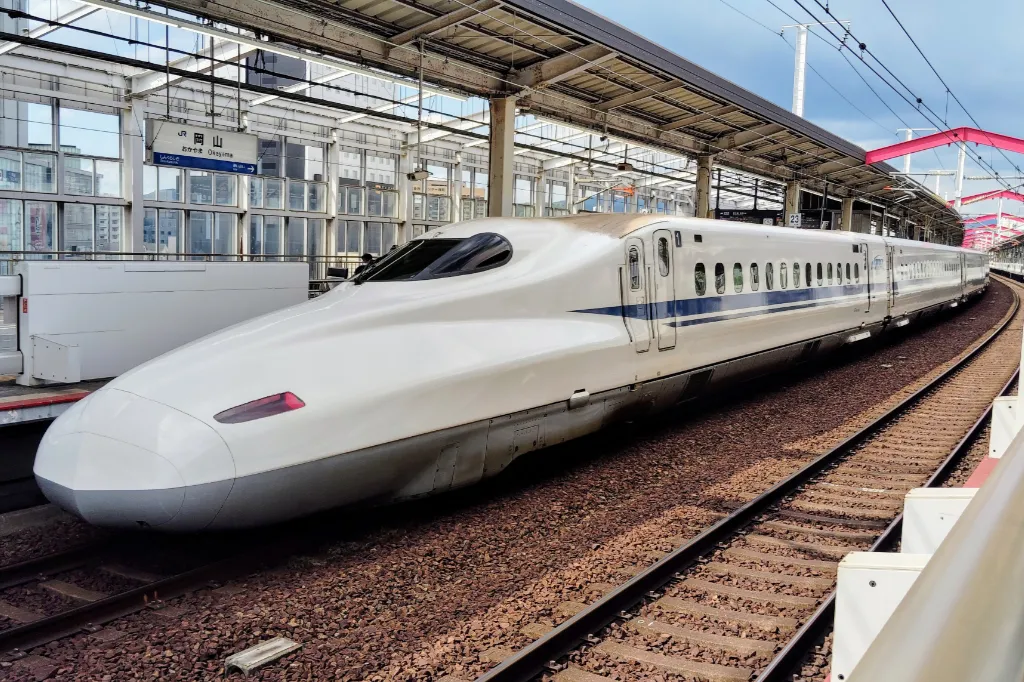
Up to 320 km/h, departures timed to the second, and a ride so smooth you can balance a coffee on your tray table. It’s one of my favourite things about travelling Japan, and it links Tokyo, Kyoto, Osaka and Hiroshima better than any other way of getting around.
But let’s be honest. Even the best train in the world can leave you with a bit of downtime, especially on a longer run when the scenery has gone from “wow” to “gee – another tunnel!”. Here are seven ways I like to fill the gaps.
1. Read
A long train ride is one of the last places where nobody expects you to do anything else, so make the most of it. I always have a book for the Shinkansen. I like old-school printed books, but I also travel with my trusty Boox e-reader which is pre-loaded with books about Japan.
Fiction, biography or a guidebook all work, and if you’re new to Japan it’s a great time to read up on the history and culture of the places you’re heading to. You’ll see them differently when you arrive.
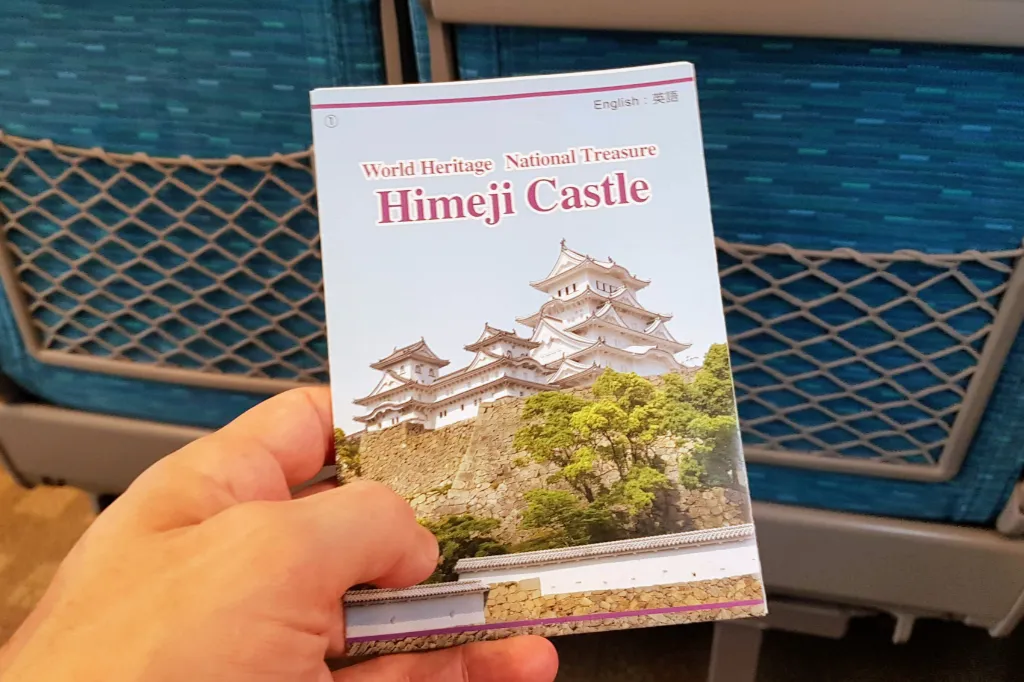
My tip is to download e-books before you board. You don’t want to give up valuable packing space to a pile of terrific but very large and heavy hardbacks, and you’ll thank yourself when you’re lifting your suitcase onto the rack.
2. Journal
Japan has a habit of throwing up the unexpected: the vending machine that sells something you can’t identify, the tiny izakaya you stumbled into, the hotel staff who walked you to the nearest pharmacy so you could stock up on toiletries you’d forgotten to pack (true story!). Write it all down while it’s fresh.
I’ve been doing this since I first arrived in 2000. I like Rhodia notebooks (made in France but popular in Japan). There’s one from a previous trip right in front of my keyboard as I type this!
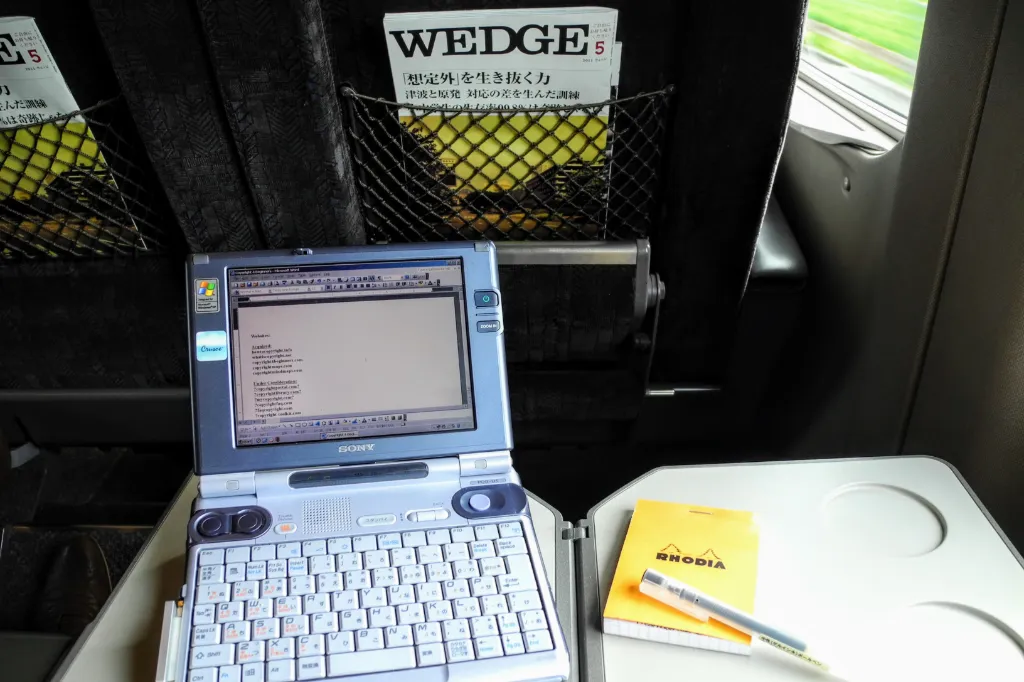
You don’t need to be a “diary person”, I’m not. But a few lines about what you ate, who you met and where you want to go next is enough. It’s also a good moment to jot down anywhere you hear about and want to add to the rest of your itinerary. The thing I often aim to capture is how I’m feeling at any given moment.
3. Play games
I’m not a huge gamer, but I understand the appeal. Your phone has thousands of options, from simple puzzle games, online slots and word challenges to more involved strategy and adventure titles. Whatever you like, a long Shinkansen ride is a good excuse to play a few games.

Just be aware, the free Wi-Fi on the trains is unreliable, while mobile reception and internet connectivity can vary depending on the route, so it’s better to pick games you can play offline. Bring a portable charger as well. Many seats have power outlets, but don’t bank on it.
4. Listen to music or podcasts
For me, the Shinkansen and a good playlist is hard to beat. Put on something you love and watch the countryside slide past: rice fields, tiny villages and mountains in the distance.
Over the years, I’ve honed a specific Japan travel playlist that is so diverse it works everywhere, from buzzing cities lit up at night to the wide plains filled with rice paddies in the countryside.

If you want to try something different, look up some Japanese music (there’s many rabbit holes worth falling down) or download a podcast or two. A decent pair of noise-cancelling headphones helps too. Shinkansen carriages are quiet by world standards, but it’s nice to have your own little audio bubble.
5. Watch something
If you’ve got a long ride ahead, say Tokyo to Hiroshima, it’s a great chance to catch up on that series everyone keeps telling you to watch.
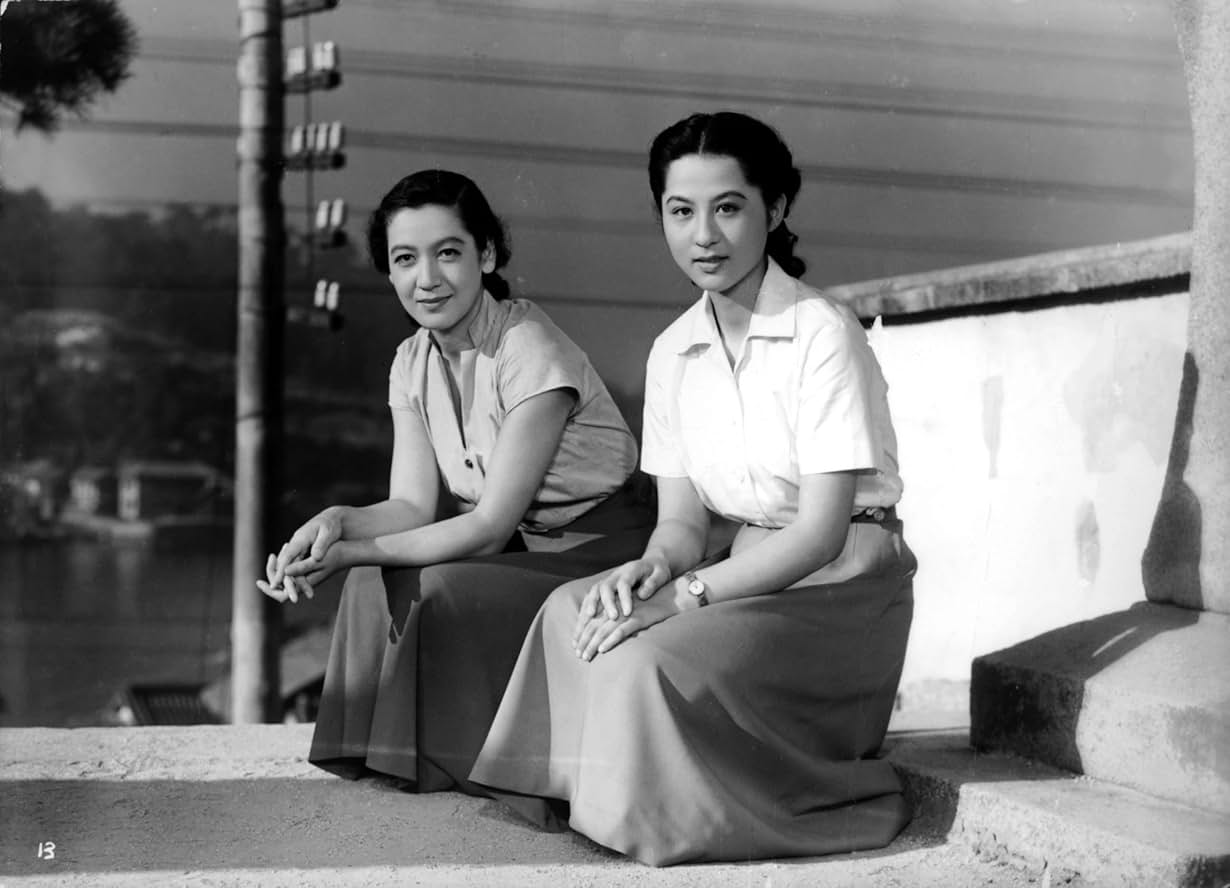
Most streaming services let you download episodes in advance, so you don’t need to rely on the train’s connection. Make sure you’ve done it before you leave your hotel, so you’re not reliant on a Wi-Fi signal that doesn’t care about your cliffhanger.
I’d also suggest watching a Japanese film or that Japan destinations YouTube playlist you’ve been building for months before you departed for Japan. Both are a great way to tune in to the country you’re travelling through.
VIDEO: N700A Shinkansen Departing Shin-Osaka Station
6. Eat an ekiben
If there’s one thing foodies ought to put at the top of their train travel to-do list it’s eating an ekiben on the Shinkansen. An ekiben is a boxed meal sold at train stations, and eating one on board is a big part of travelling by Shinkansen for the Japanese.
What makes them so good is the regional variety. Many stations have their own speciality built around local ingredients, often in beautifully designed boxes. My wife is a big fan and is always attuned to what each area specialises in, so I tend to follow her lead, but a quick search online in advance will turn up key regional variations you should look out for.
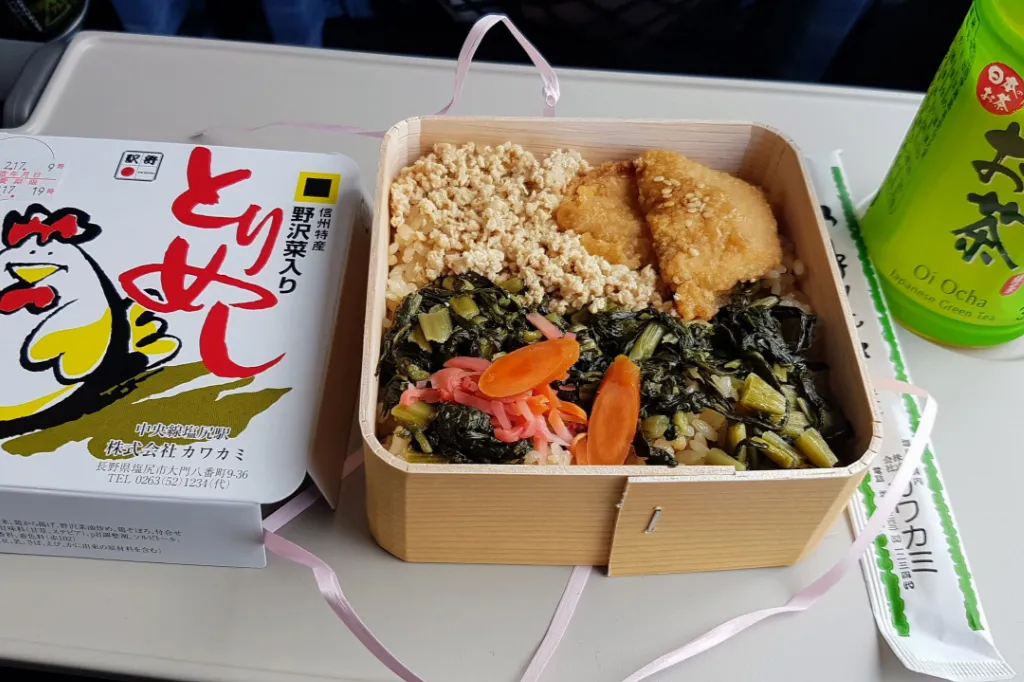
You’ll find them in dedicated ekiben shops and in the supermarkets inside the larger stations, so buy yours (and a drink) in advance and leave time to browse, because choosing is half the fun. Once you’ve finished, tidy your box away neatly and take your rubbish with you.
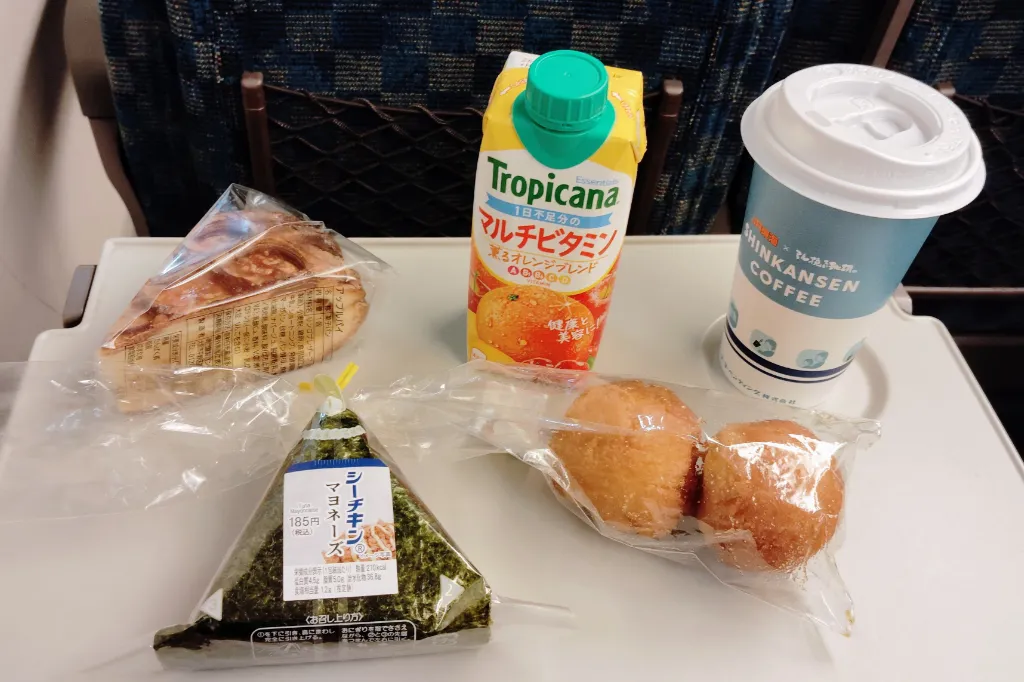
And if you’re not too sure about some of the ingredients, it’s perfectly acceptable to compile your own version from a few combini staples and then grabbing a hot ‘Shinkansen coffee’ from the dedicated vending machine on station platforms.
Read my post Top 7 Etiquette Tips For Travel in Japan for more on how to travel like a local.
7. Catch up on sleep
If you’re tired, close your eyes. Travel in Japan is exhausting in the best possible way, with lots of walking, early starts and temples to tick off, so a nap on the Shinkansen is a perfectly respectable use of your time – the locals frequently do.
The seats are comfortable and the ride is so smooth that it’s all to easy to nod off. Don’t fight it if you need it.
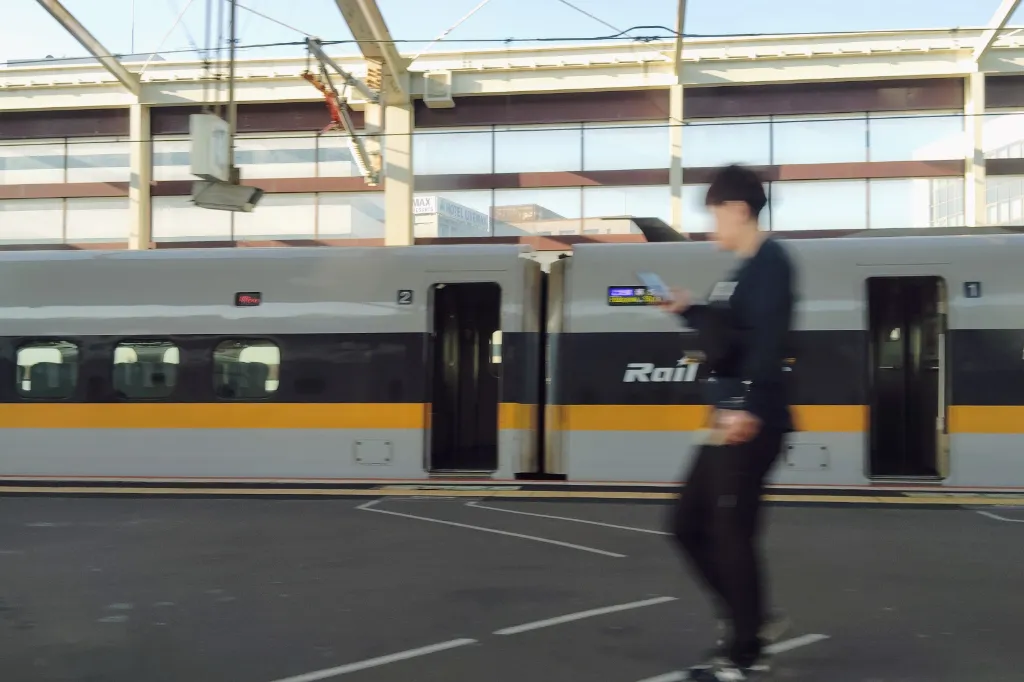
A travel pillow and eye mask might be worth packing if you do need some help falling asleep, and set an alarm for a few minutes before your stop. Arriving refreshed at your next destination is a great feeling.
Making the most of your Shinkansen journey
The Shinkansen is an experience in itself, and with a few simple ideas you can make it even better. Read, listen, play, eat or snooze, whichever suits your mood.
But do me a favour and look up from the screen now and then.

How to spot Mt. Fuji from the train
If you’re travelling from Tokyo towards Kyoto or Osaka, keep an eye out for Mount Fuji. Try to grab (or reserve) a seat on the right-hand side of the train – choose Seat E in Ordinary (Standard) Class and Seat D in Green Car (First Class).
Mount Fuji usually comes into view about 30 to 45 minutes after departing from Tokyo Station, shortly before or around Shin-Fuji Station. I’ve seen it countless times from the bullet train and yet I still look out for it and try snapping a photo.
Do you have a memorable experience of travelling on the Shinkansen or a tip you’d like to share? Let me and others know by leaving a comment below. I read every one.
About the Author

A writer and publisher from England, Rob has been exploring Japan’s islands since 2000. He specialises in travelling off the beaten track, whether on remote atolls or in the hidden streets of major cities. He’s the founder of the multi-award-winning TheRealJapan.com.
Recommended For You


RESOURCES
Further Related Guides
Japan by Train: Pass Selection Guide Plus Scenic Routes & Urban Rail Adventures
Japan Rail Pass: The Ultimate Guide
Regional Japan Rail Passes: 5 Best Value Passes
More Planning Resources
My List of Recommended Japan Travel Resources
Recommended Japan Travel Resources
My Japan Travel Store
Feel free to share this guide if you found it helpful: