Summary
Systematically documenting your experiences living in Japan as a student helps you preserve your memories and see how you are changing in terms of language learning, adapting to daily life, and understanding Japanese culture.
Key Takeaways
- Determine your documentation purpose – such as personal, blogging, or academic – to choose the best format, whether it’s short phone notes, a paper diary, or a vlog.
- For students studying abroad, reflecting on university experiences through academic essays is a great way to document your time, and seeking credible academic guidance is a practical option if deadlines feel overwhelming.
- Look beyond famous locations and photograph the little things, like quiet mornings in a small konbini, orderly bus queues, or street vending machines in random places.
- Take time to caption three to five photos after each day with short phrases about what caught your attention, turning random shots into a valuable part of your journal.
- Use video to capture the rhythm and sounds of Japanese life, such as station announcements on trains or the whistling wind in rural alleys, and add short audio comments.
- Enrich your records by documenting cultural context, adding explanations you learn from locals – like brief insights into etiquette or phrases from your Japanese lessons.
Want more free content like this?
- Summary
- Key Takeaways
- Documenting your time in Japan
- Ideas for documenting through writing
- Photos to ‘notice the invisible’
- Use video to convey things that photos can’t
- VIDEO: Beautiful Spring Day Walk in Ashiya
- Capturing the cultural context
- Tips for taking photos you won't regret. Practical advice
- Conclusion: Aim for truth over perfection
- FAQ – Frequently Asked Questions
- Leave A Comment / Ask A Question
- About the Author
- RESOURCES
Documenting your time in Japan
To document your time living in Japan, you can do more than just take a bunch of photos and notes. You can gradually and excitingly discover the culture and way of thinking of this country to gain a new understanding of what makes it unique.
If you are here as a student or tourist for a longer period of time, don’t just live in the moment, but think about systematically documenting your time in Japan. This will make your memories useful, something you can revisit in a year, and in ten.
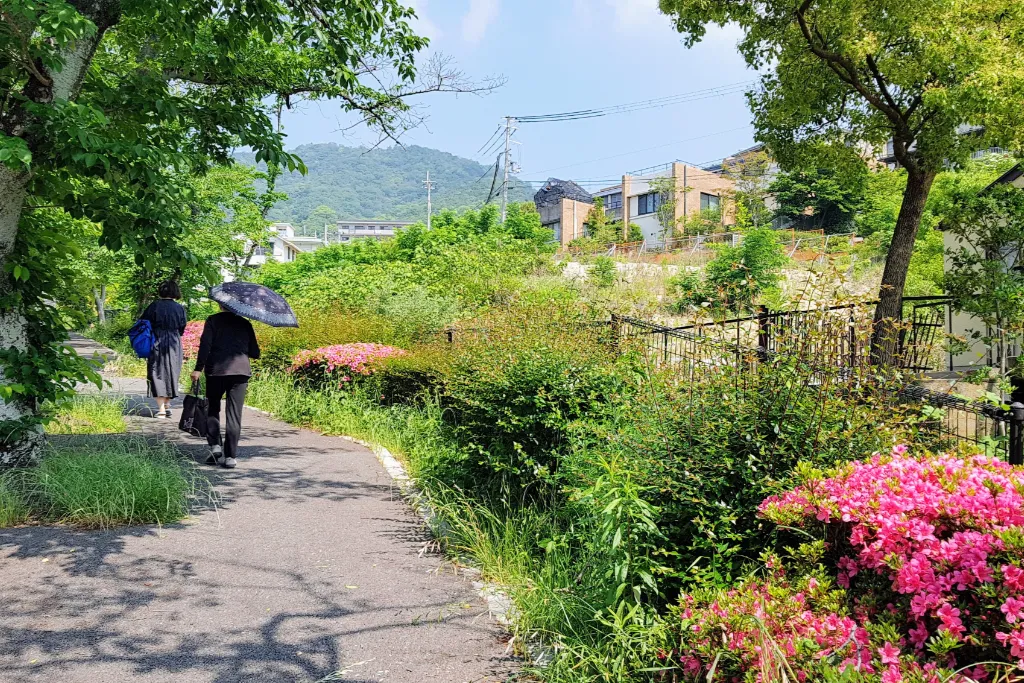
Find your own way to record your experiences. If well thought out, it will not only preserve your day-to-day encounters and emotions, but can also help you see how you yourself are changing. Especially in learning the language, adapting to everyday life, and gaining a deeper understanding of Japanese culture.
Ideas for documenting through writing
Ask yourself about the main purpose of your writing. Are you doing it for yourself or for a blog? Maybe, for academic purposes or for a future portfolio? The format will depend on the answer. It could be:
Or maybe it’s a more ambitious goal, albeit it may not appear obvious at first glance. If you are studying abroad in Japan, reflecting on your university experiences through academic writing is a way to accomplish an assignment that requires you to write a lengthy essay.
You may be nervous about this format and consider writing an essay a difficult challenge. At the same time, it is worth it, because in an essay you can fully document your experiences in Japan.
But what if you have already collected a lot of different notes with memories and observations, but you can’t write a structured paper? Some students consider seeking professional academic guidance, ensuring that any assistance they choose is credible and qualified. When deadlines are approaching and the workload feels overwhelming, those who decide to pay for assignment support should carefully select reputable and trustworthy platforms.
You also won’t have to worry about missing deadlines and meeting academic requirements. After completing your essay, you can feel a sense of accomplishment and continue strengthening your overall writing and documentation skills.
Photos to ‘notice the invisible’
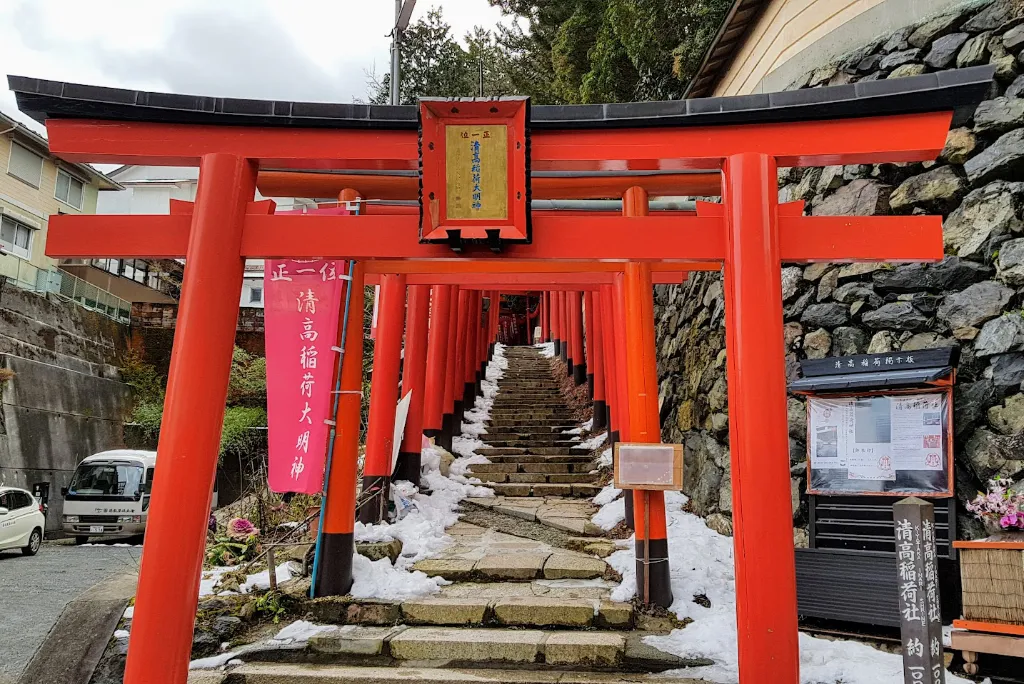
Living in Japan, your life isn’t exclusively about famous locations. After all, this is daily life, not a holiday. The most valuable photos often come from capturing the little things. It could be the morning queue in a small konbini, well-fed cats in provincial shopping streets called shotengai, or chance encounters with locals at matsuri.
Take time for brief observations and you will notice details that illustrate the real rhythm of Japanese student life. For example, how students dine at inexpensive ramen shops or how bus queues remain perfectly orderly.
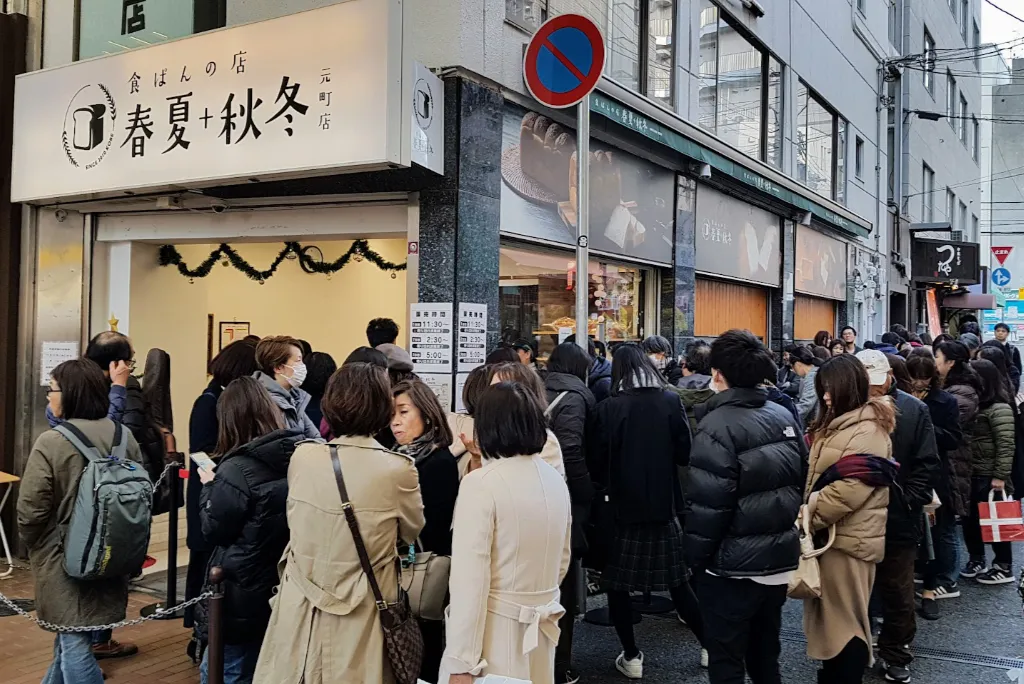
After each day of photography, caption 3 to 5 photos with short phrases about what caught your attention. Then even a random shot will become a valuable part of your Japanese student life.
Use video to convey things that photos can’t
Video can capture the rhythm of Japanese life in a way that photos can’t. It could be the ringing of trams or station announcements on trains. Or the evening buzz of students near a convenience store on campus or the whistling of the wind in the narrow alleys of a small rural town.
VIDEO: Beautiful Spring Day Walk in Ashiya
Record short videos and add small audio comments. These sound and emotional fragments will come in handy if you want to transfer your observations and create material for your Japan travel journal.
Capturing the cultural context
Document not only what you see, but also what you learn. Many beautiful things in photos have a deeper meaning:
- Why do Japanese people take off their shoes in many cafes?
- Why do some onsen have special hours for locals or separate days of the week?
- Why do you see hundreds of children in traditional happi coats during festivals?
To make your documenting of Japan experiences meaningful, add small explanations to your pictures or videos that you have learned from locals, teachers, or friends:
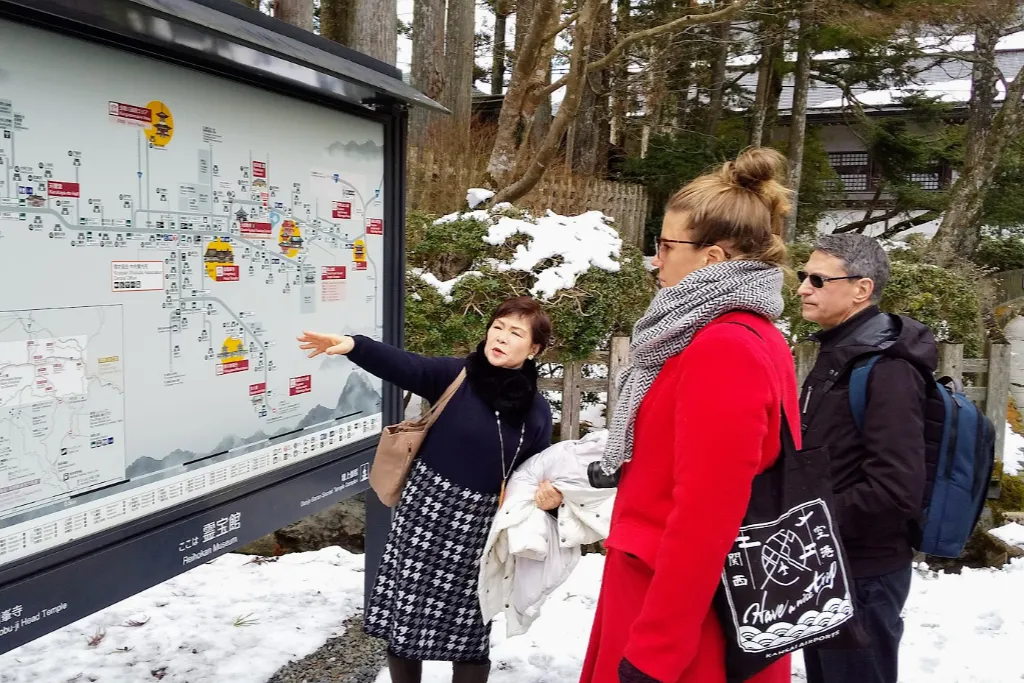
- Phrases from Japanese lessons,
- Brief insights into etiquette,
- Personal observations about interactions between people.
Not only will you enrich your records, but you will also integrate into the culture more readily.
Tips for taking photos you won’t regret. Practical advice
Capture Japanese life:
- Morning queues at konbini for that first coffee;
- Office workers buying bento and sitting down to lunch in a small city park;
- Bicycles left in incredibly neat rows near subway stations;
- Street vending machines with drinks in random places.
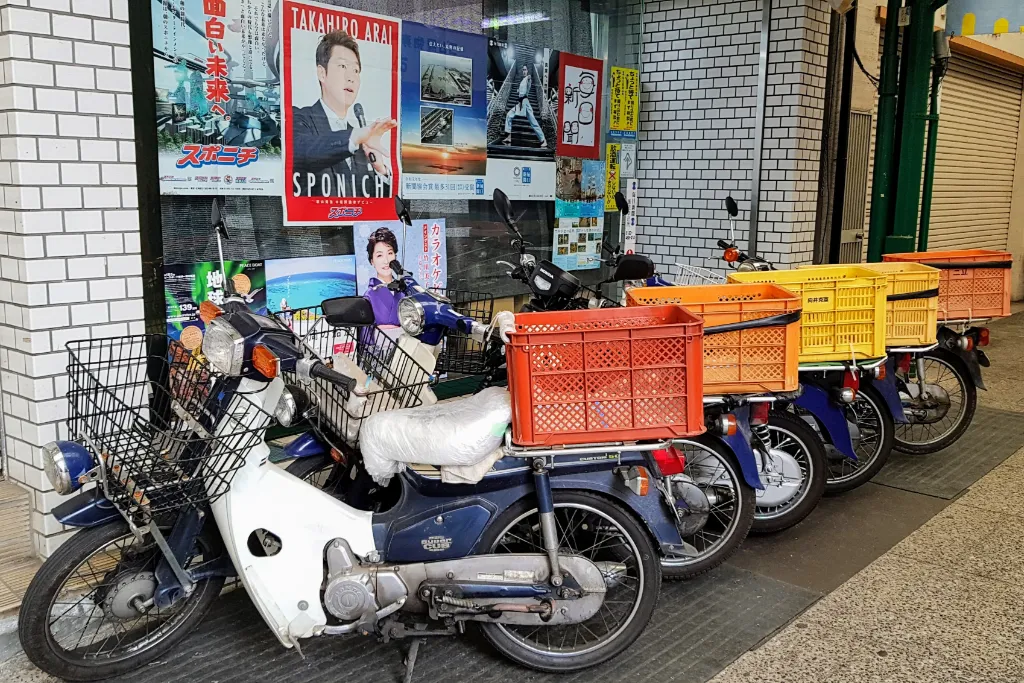
Capture contrasts. A single frame can feature a traditional temple and a futuristic skyscraper.
Conclusion: Aim for truth over perfection
Consider chronicling life in Japan to better understand how the culture affects your immersion, learning, Japanese culture, local traditions and everyday routines. Use the suggestions in this guide and construct a Japan travel journal that will retain your experiences and serve as useful material for some serious academic writing.
Consistency and sincerity are vital. So, aim for truth over perfection.
FAQ – Frequently Asked Questions
Q: How should I start writing about my life in Japan?
A: First, ask yourself about the main purpose of your writing to decide on the best format. You might choose to write short notes on your phone, keep a diary in a paper notebook, or even start a vlog.
Q: What if I have many notes but struggle to turn them into an academic essay for my studies?
A: If you have collected memories and observations but cannot write a structured paper, some students consider seeking professional academic guidance. If you choose this route, carefully select reputable and trustworthy platforms for assignment support.
Q: What kind of photos should I take to capture the real rhythm of everyday life?
A: The most valuable shots often come from the little things rather than just famous locations. Try capturing morning queues at a konbini for coffee, office workers eating bento by the river, incredibly neat rows of bicycles near subway stations, or contrasts like a traditional temple next to a futuristic skyscraper.
Q: Why should I record videos instead of just relying on photos?
A: Video can convey things that photos cannot, capturing the true rhythm of life. Videos allow you to record the ringing of trams, train station announcements, and the evening buzz of students on campus.
Q: How can I include cultural context in my documentation?
A: Document not only what you see, but also what you learn. You can add small explanations to your pictures or videos using information you learn from locals, teachers, or friends. This might include phrases from your Japanese lessons, brief insights into etiquette, or personal observations about interactions.
About the Author

A writer and publisher from England, Rob has been exploring Japan’s islands since 2000. He specialises in travelling off the beaten track, whether on remote atolls or in the hidden streets of major cities. He’s the founder of the multi-award-winning TheRealJapan.com.
Recommended For You


RESOURCES
Further Related Guides
5 Fascinating Japanese Culture Lessons Films Teach Us
Beyond the Guidebook: 9 Unique Books to Deepen Your Connection with Japan
Beyond Postcards: 6 Meaningful Ways to Preserve Your Japan Journey
How Abroad in Japan Can Change You From A Tourist to A Traveller
Living In Japan – Travel Tips From The Real Japan
More Experience Resources
My List of Recommended Japan Travel Resources
Recommended Japan Travel Resources
My Japan Travel Store
Feel free to share this guide if you found it helpful: