

Japan has a way of imprinting itself on you. Long after you’ve returned home, you’ll catch yourself remembering the afternoon light filtering through a temple garden, or the unexpected warmth of a small-town shopkeeper who spent twenty minutes helping you despite the language barrier. These moments deserve better than fading into vague nostalgia.
Summary
Discover how to transform fleeting travel moments into lasting connections with your travels in Japan through ideas ranging from hands-on craft experiences to thoughtful documentation methods that go beyond standard photography.
Key Takeaways
- Transform photos into thoughtful gallery displays, not digital archives – Rather than leaving hundreds of images trapped on devices, convert your best shots into professional-quality prints arranged with Japanese aesthetic principles.
- Create something with your own hands under master artisan guidance – Unlike purchasing mass-produced souvenirs, participating in traditional craft workshops gives you both a physical object and the embodied memory of creating it.
- Written journals preserve what photographs miss – Daily entries capturing sensory details, people you met, conversations overheard, and the progression of thoughts during train journeys provide memory anchors.
- Collect goshuin to document your spiritual journey mindfully – These hand-calligraphed temple and shrine seals recorded in your goshuincho (seal book) create a one-of-a-kind personal record that encourages deeper engagement with sacred places.
- Drawing forces observation photography cannot replicate – Sketching a temple roofline or street corner requires studying structure and noticing details, slows down travel creating deeper memories.
- Maintain active intention to return rather than treating it as once-in-a-lifetime – Creating a “next time” list, setting specific goals for future visits transforms your trip from a concluded experience into the first chapter of an ongoing relationship.
Want More Free Content Like This?
- Summary
- Key Takeaways
- The challenge isn't capturing memories in Japan
- 1. Transform your photos into gallery-quality prints
- 2. Learn a traditional craft from a master artisan
- 3. Keep a detailed travel journal
- 4. Collect goshuin (temple and shrine seals)
- 5. Sketch, draw and paint
- 6. Compose a custom soundtrack of your travels
- Plan your return journey
- Bringing it all together
- Leave A Comment / Ask A Question
- About the Author
- I'm Rob, and I've been where you are
- Benefits You Can Choose
- What Clients Say
- How It Works
- Ways I Can Help You With Concierge
- Ready to Get Started?
- RESOURCES
The challenge isn’t capturing memories in Japan
The challenge isn’t capturing memories in Japan – it’s preserving them in ways that honour what made them special in the first place. Mass-produced postcards and generic coffee table photo books rarely accomplish this. Here are 6 ideas that you can use to keep your Japan experiences alive, ranging from traditional methods to creative alternatives you might not have considered.
1. Transform your photos into gallery-quality prints
Most travellers return home with hundreds of digital photos that remain trapped on phones or hard drives, rarely seen after the initial sorting. Converting your best images into professional-quality prints for display gives them the prominence they deserve and keeps your memories visually present in your daily life.
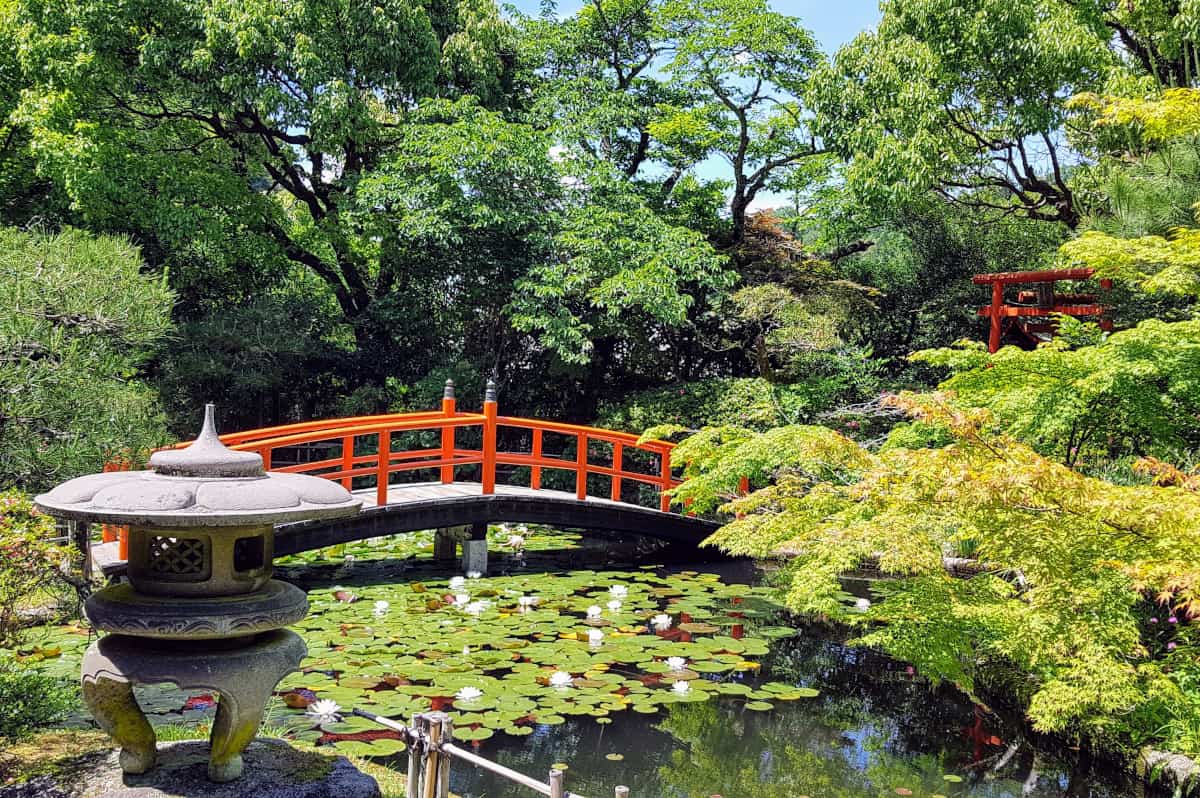
Rather than purchasing mass-produced postcards of famous landmarks, create personalised wall art from your own photography. Canva has some cool free printable poster templates – allowing you to take high-resolution photos of your favourite Japanese shrines, cityscapes, or intimate moments and frame them in professional layouts designed to showcase your travel photography effectively.
The key is thoughtful curation. Select images that capture meaningful moments rather than simply famous locations everyone photographs. That quiet side street in Hiroshima where you discovered a hidden café. That picture-perfect Japanese garden at the ryokan you stayed at. The particular quality of evening light filtering through a temple garden that stopped you in your tracks.
Create a cohesive gallery wall rather than scattering random images throughout your home. Group related images – perhaps all black and white street photography, or a series of architectural details, or a collection of garden scenes. Using consistent framing and layouts makes your display feel like a curated exhibition of your personal journey rather than a haphazard collection of snapshots.
Consider Japanese aesthetic principles when designing your layouts. Generous white space, asymmetric arrangements, and attention to negative space reflect the design sensibility you experienced in Japan. Your wall display itself can embody Japanese minimalist elegance while showcasing your memories.
The process of selecting, editing, and printing your best images forces you to revisit your journey thoughtfully, identifying which moments held the most significance and deserve permanent display in your living space.
2. Learn a traditional craft from a master artisan
For me, one of the most meaningful ways to preserve a Japan memory is to create something with your own hands under the guidance of someone who has spent decades perfecting their craft. Unlike purchasing a souvenir someone else made, participating in traditional craft workshops gives you both a physical object and the embodied memory of creating it.
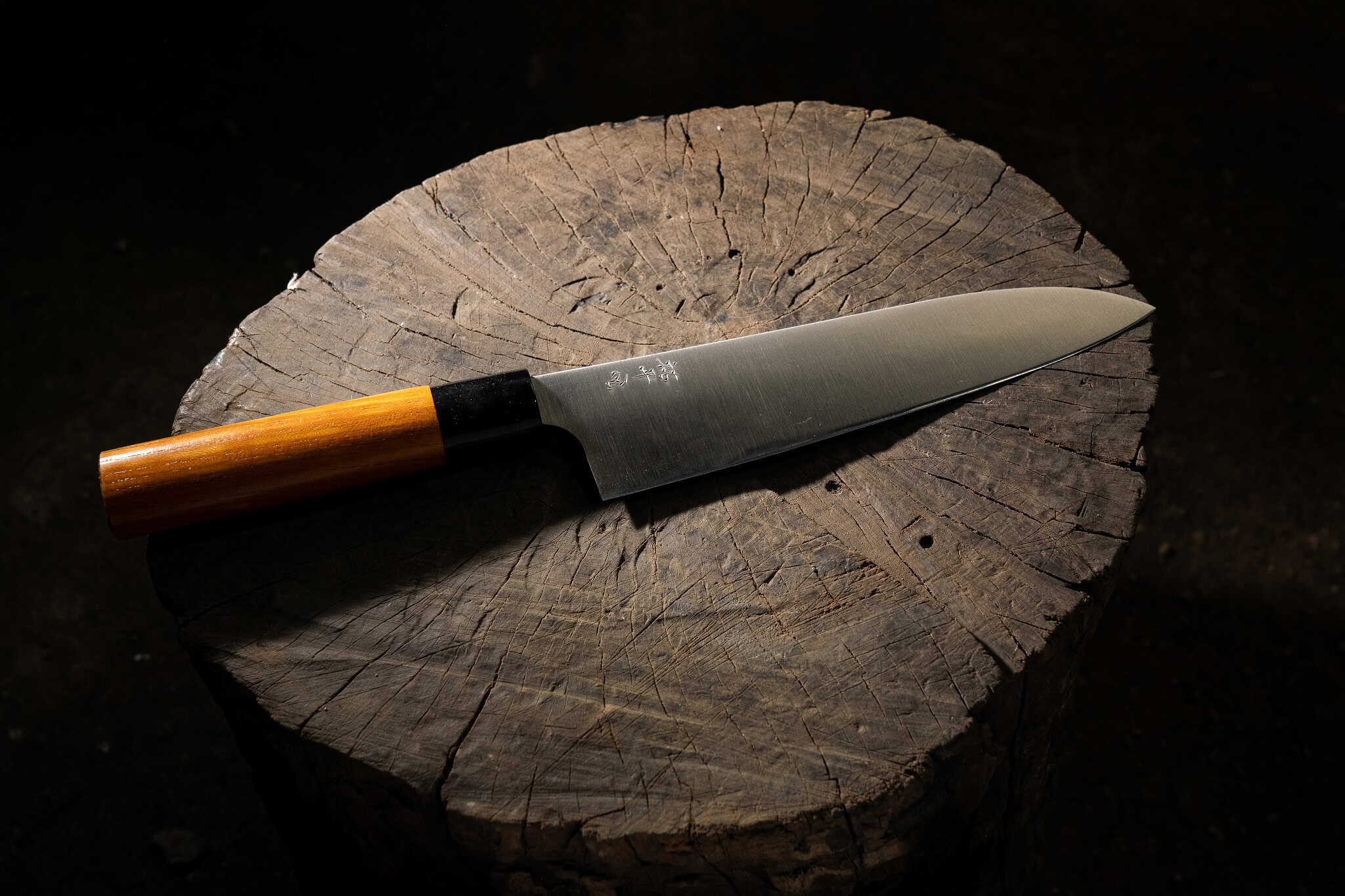
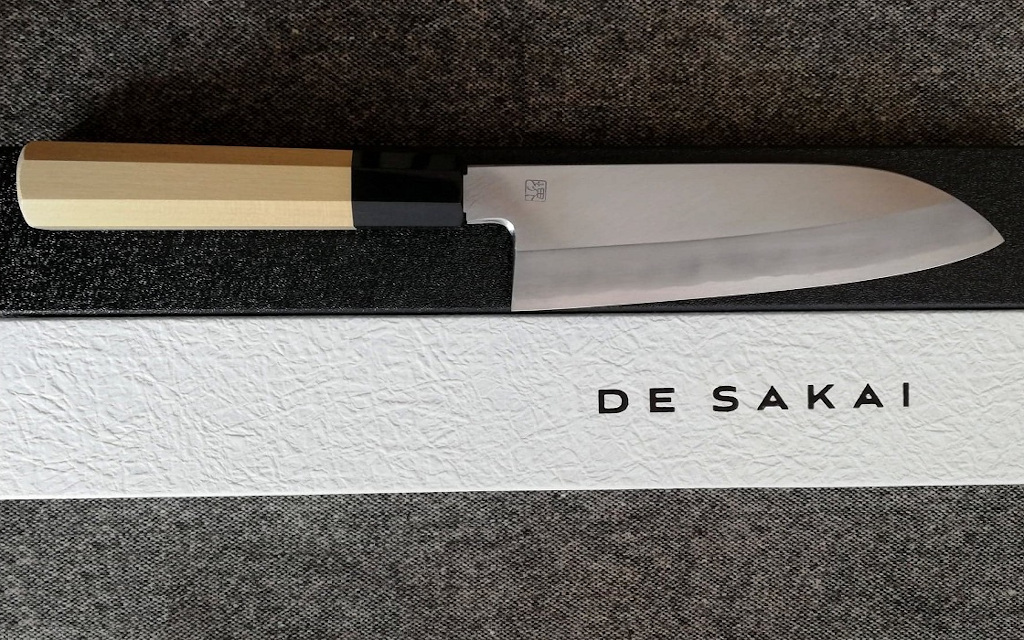
Japanese knife making experiences are the #1 most popular hands-on activity of readers of this site. This dying art is being kept alive by a handful of incredibly skilled artisans working in blacksmith forges today just as they did hundreds or year ago. You can even take a knife made with your very own hands home with you as a unique souvenir.

Calligraphy (Shodo) workshops teach you to hold the brush, mix ink, and form characters that have carried meaning for centuries. The muscle memory of drawing those first strokes stays with you. Many calligraphy experiences let you work on silk or traditional washi paper, creating pieces suitable for framing.
Pottery and ceramics experiences offer unique opportunities to engage with Japan’s renowned ceramic traditions. At places like Utsuwa Nihonbashi Mutoh Store in Tokyo, a century-old ceramics shop, you can participate in modern kintsugi workshops – learning to repair broken ceramics using lacquer and metal powder, transforming flaws into unique beauty. This practice embodies the Japanese philosophy of finding value in imperfection and embracing an object’s history rather than discarding it.
Textile crafts including indigo dyeing (aizome), silk weaving, and traditional Japanese embroidery offer opportunities to understand the patience and precision these arts require. A scarf you dye yourself using natural indigo becomes a wearable memory of time spent learning techniques unchanged for generations.
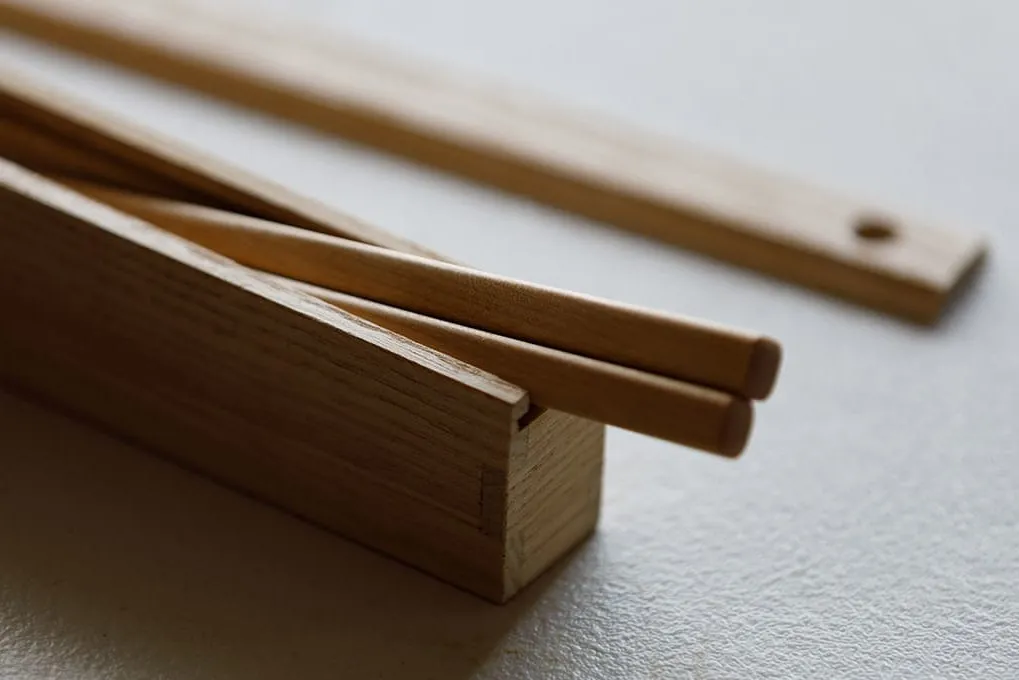
Woodworking experiences with traditional Japanese tools – from creating chopsticks to making small furniture using ancient joinery techniques – give you appreciation for the exactitude required in Japanese craftsmanship. The wood grain you select, the tool marks you make, all become part of your personal connection to the piece.
These aren’t tourist demonstrations. Working directly with master artisans (or their skilled apprentices) means entering workshops where real production happens. You’re participating in living traditions, and the objects you create carry that significance.
3. Keep a detailed travel journal
While countless people photograph Japan obsessively, far fewer take time to write detailed accounts of their days. Yet written records often preserve the very details that photos miss – the progression of your thoughts during a long train journey, overheard conversations, the sequence of tastes at an izakaya, the names of people you met briefly but memorably. Capture all your favourite Japan adventures in one book to look back on for years to come.

Daily entries don’t need to be elaborate. Even brief notes – the train line you took, where you ate lunch, a surprising discovery – provide structure for memories that might otherwise collapse into vague impressions.
Sensory details prove particularly valuable. What did the air smell like that morning in the mountain temple? How did your feet feel after walking Kyoto’s philosopher’s path? What sounds filled the evening streets of Shibuya? These sensory anchors trigger fuller memory recall than photos of those same locations.
People and conversations often become the most meaningful parts of travel, yet they’re hardest to preserve. Recording the name of the family-run restaurant where the elderly proprietor shared her life story, or the fellow traveller who recommended a perfect hidden garden – these connections matter more in retrospect than another photo of a famous landmark.
Specialised travel notebooks designed for recording travel journeys often include helpful features – spaces for pasting photos or tickets, prompts for recording specific details, etc. The act of choosing and using such a notebook transforms routine documentation into an intentional practice. The Duncan & Stone Paper Co. Travel Journal has hundreds of 5-star reviews on Amazon.
Tip: Be sure to collect establishments’ business cards (still commonplace in Japan) throughout your journey and paste them in your notebook.
4. Collect goshuin (temple and shrine seals)
The goshuin tradition offers perhaps the most distinctly Japanese way to document your spiritual journey. At most temples and shrines throughout Japan, you can receive a goshuin – a hand-calligraphed inscription accompanied by vermillion stamps – recorded directly in your goshuincho (seal book).
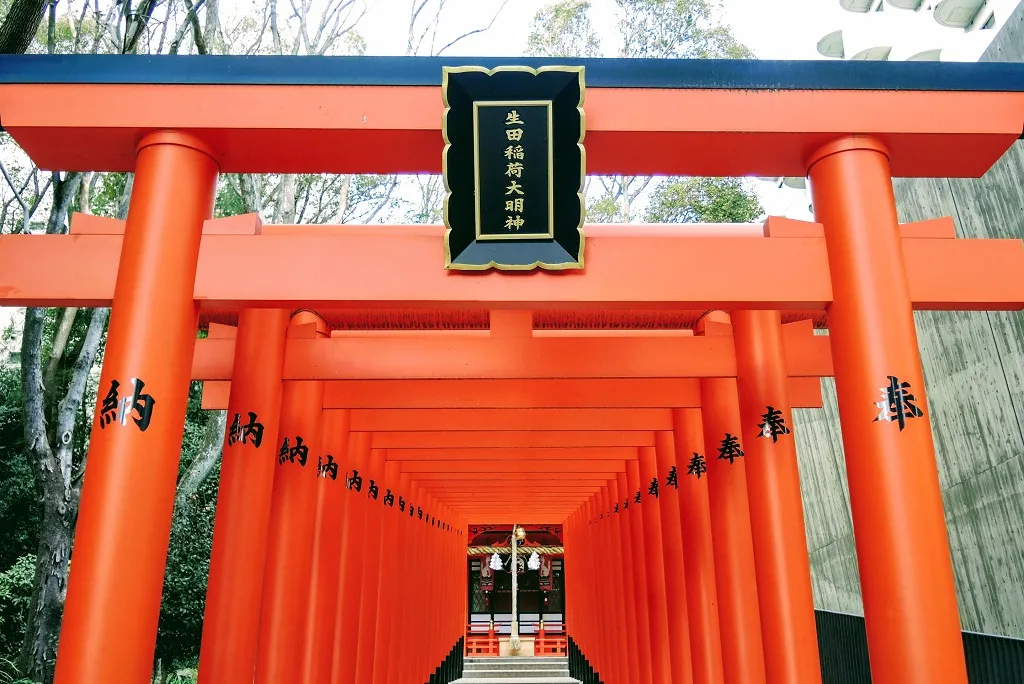
Each goshuin is unique. The priest or shrine attendant brushes the temple’s name, the deity enshrined, the date, and other information in flowing calligraphy, then applies elaborate stamps. The act of receiving a goshuin encourages mindful temple visits – you can’t collect dozens in a day through hurried tourism. Each requires time, small offering (usually 300-500 yen), and respectful engagement.
Your goshuincho becomes a personal record of sacred places visited. Unlike photos, which look similar in everyone’s camera roll, each seal book is one-of-a-kind, marked by the specific individual calligraphers and their particular style on that particular day.
Many travellers say that maintaining a goshuincho changed how they experienced temples and shrines. Rather than checking off famous locations, they found themselves seeking out smaller temples, taking time to appreciate gardens and architecture, and engaging more deeply with Japan’s spiritual landscape.
5. Sketch, draw and paint
Drawing or painting forces observation in ways photography cannot replicate. To capture a temple roof line or street corner, you must study it carefully – understand its structure, notice details, make decisions about what matters most. This intense observation helps slowing down your travel, creating deeper memories than a dozen quick snaps on your phone ever can.
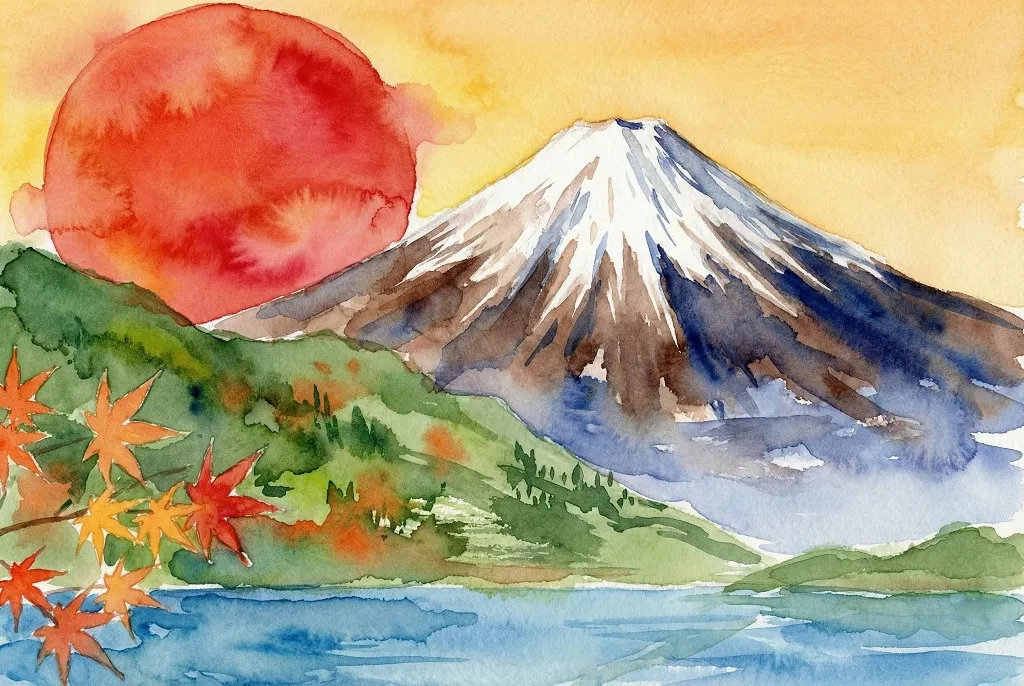
You don’t need artistic skill. Simple line drawings, rough architectural sketches, or quick impressionistic watercolour captures of colour and shape all serve the purpose. The value lies in the looking, not the finished product. You’re doing it for yourself not to get into an art gallery.
Urban sketching has become popular among travellers precisely because it slows down experience. Sitting for thirty minutes to draw or paint a Kyoto machiya or Tokyo street scene forces you to notice architectural details, pedestrian patterns, the quality of light – elements you’d miss in quick photography.
Combining art with notes creates rich documentation. Label your art with location names, dates, what you were thinking about, or conversations you had with passersby while drawing. These annotations transform simple artworks into detailed memory maps.
Travel sketch kits designed for portability make drawing feasible during travel. A small sketchbook, a few pencils or fine liners, and perhaps a compact watercolour set fit easily in a daypack and work anywhere you find a place to sit for a while.
6. Compose a custom soundtrack of your travels
We often associate certain songs with specific moments in our lives, and travel is no different. The sounds of Japan – the melodic jingle of a train station departure, the rhythmic chant at a local festival, or the serene silence of a mountain trail – all create a unique sensory backdrop to your journey. Why not take those feelings and turn them into a permanent piece of music?
Writing a song might feel daunting if you aren’t a musician, but modern technology has made it incredibly accessible. You can now use an AI music generator to help you compose a commemorative track or even a full song dedicated to your adventures.
By inputting descriptions of your favourite memories – perhaps the bustling energy of Shinjuku at night or the peaceful atmosphere of a moss garden in Kyoto – you can generate a melody that captures the exact mood of your trip. You could even incorporate your own lyrics based on your travel journal entries.
Whether you keep it as a private track to listen to whenever you’re feeling nostalgic, or use it as the background score for a travel video you’re editing, a custom song serves as a powerful, emotive “audio souvenir” that brings your Japan journey back to life the moment you hit play.
Plan your return journey
Perhaps the most powerful way to preserve your Japan memories is to maintain an active intention to return. Rather than treating your trip as a once-in-a-lifetime event, begin planning your next visit while memories remain fresh.
Create a “next time” list of places you want to explore, experiences you missed, or locations you want to revisit. This transforms your trip from a concluded experience into the first chapter of an ongoing relationship with Japan.
Set specific goals for future visits. Learn enough basic Japanese to have simple conversations. Visit a region you missed this time. Attend a specific festival or seasonal event. Having concrete objectives maintains focus and motivation.
Stay informed about Japan by subscribing to my Japan Travel Bulletin, by joining dedicated Facebook groups, travel blogs, and cultural channels such as podcasts. Understanding how places you visited are changing, new developments in areas you loved, or events you might want to experience keeps your connection active.
Budget and plan realistically for return. Whether that means returning in a year or five years, having an actual plan – rather than vague “someday” intentions – makes return far more likely. I can help with Japan travel planning if you find it a bit overwhelming.
The most satisfied Japan travellers I know are those who have returned multiple times, each visit building on previous experiences. Their memories don’t fade because they’re continuously adding new layers and contexts.
Bringing it all together
The methods above aren’t exclusive alternatives – most complement each other. You might keep a detailed journal while also collecting goshuin, creating photo books, learning some Japanese, and planning your return. The key is choosing approaches that resonate with your own interests and capabilities.
What matters most is intentionality. Rather than accumulating random souvenirs or taking thousands of unorganised photos, think carefully about what aspects of Japan you want to preserve and what methods will serve that goal most effectively.
About the Author

A writer and publisher from England, Rob has been exploring Japan’s islands since 2000. He specialises in travelling off the beaten track, whether on remote atolls or in the hidden streets of major cities. He’s the founder of the multi-award-winning TheRealJapan.com.
Want a Japan trip that perfectly balances the iconic and the authentic? Concierge is my personalised travel planning service crafting journeys that align with your specific interests while incorporating both must-see highlights and hidden gems most tourists miss. Together, we’ll create an experience that goes beyond the surface, connecting you with the Japan you’ve always dreamed of discovering.
I’m Rob, and I’ve been where you are
I understand the struggle of building an itinerary that perfectly balances the iconic and authentic sides of Japan.
That’s why I founded The Real Japan, a place where independent travellers like you can thrive. My passion for sharing Japan beyond the cliches is what drives me.
I offer more that just inspiration; I provide personalised, unique and tailor-made travel plans to take your travels in Japan to the next level.
Want to see how I can transform your Japan travel?
Benefits You Can Choose
Personal Itinerary
A tailor-made Japan Travel Plan matching your personal interests
and preferences
Unique Experiences
A unique Artisan Experiences Plan giving you private access to Japan’s finest craftspeople
Perfect Lodging
Curated accommodation/hotel recommendations based on your needs and criteria
What Clients Say
Practical advice, suggestions and recommendations

“Rob will actually prepare a detailed day-by-day itinerary with activities and day-trip ideas, transport indications and relevant hyper-links to places, guides and other interests.“
Mario Mizzi
Malta
Incredibly valuable to re-working my itinerary

“I was unclear on scheduling and logistics and I needed some advice on the best sights and cities. The service provided by Rob was incredibly valuable to re-working my itinerary. Picking Rob’s brain was extremely useful.”
Martine F
Canada
Saved me more than the cost of the service. Excellent stuff!

“I spent weeks deciding what to do. Just a few tweaks with Rob and I’m now even more excited than ever! For me, the service was to get the best experiences and best use of my time while there.“
Andrew Rondeau
UK
How It Works
Step 1: Book your service
Choose the plan duration that best fits your needs.
I have 4 options to choose from.
Step 2: I’ll handle all the details
I’ll ask you questions, we can jump on a Zoom call,
or you can email me your draft ideas.
Step 3: Your dream Japan
I set aside time to work exclusively on your travel plans.
I deliver your personal solution.
Ways I Can Help You With Concierge
Ready to Get Started?
Recommended for you

If you found this guide helpful please share it!

RESOURCES
Further Related Guides
Authentic Japanese Experiences in Tokyo You Can Reserve Today
Japan Food Tours You Can Book Today
Japanese Knife and Katana Crafting Experiences
Pulling Back The Curtain on Japanese Art and Culture
Get More Great Experience Ideas
Recommended Resources
My Recommended Japan Travel Resources
My Japan Travel Store
https://www.therealjapan.com/store